
Policy & Regulation

Tech advisors move to police themselves before the FCC does
TCSP plans to launch the technology advisor certification program in the fourth quarter of this year, having completed a 30-person pilot and drafted a code of ethics. This move aims to address the aftermath of the FCC's ban on sales commissions for rural healthcare programs and to respond to the upcoming proposed rulemaking. Industry group GTIA also emphasizes that regulation is imminent and that proactive standard-setting is needed.
Impartner takes a crack at streamlining channel transactions
Impartner recently integrated Configure, Price, Quote (CPQ) tools into its Partner Revenue Management Platform to address deal delays in the channel caused by manual processes. This feature allows partners to autonomously create and advance quotes within commercial parameters set by vendors, without needing to route routine deals back to the vendor. This is expected to reduce time and operational costs for deals while enhancing the partner experience.

Civil-society initiative pays channel firms to protect rural water systems
At DEF CON, the Franklin Project announced a new initiative to fund five channel partners to provide free cybersecurity monitoring services to small U.S. water systems and share threat intelligence through the newly established Water Watch Center. The project aims to address the challenge small water facilities face in coping with cyberattacks due to insufficient staffing and resources.

Tech industry alliance proposes AI agent safety reporting program
A coalition of over 100 tech companies and other organizations has proposed a security reporting system for AI agents, aiming to prevent out-of-control models from causing harm to society. The system, named "Shared AI Discovery Exchange" (SAFE), developed by the Open Security AI Alliance working group, will establish mechanisms to collect information on AI-related security incidents, share it with affected organizations, identify commonalities among incidents, and publish recommendations based on lessons learned. The Linux Foundation released the draft for comment on Tuesday.

N-able rocked by managed services platform breach
N-able issued a security update on Monday, stating that a critical vulnerability in its N-central remote monitoring and management platform was exploited over the weekend, and emergency fixes have been deployed. Currently, only a few customers have been breached. The vulnerability stems from a licensing issue that appeared after the latest version released on July 30, affecting both on-premises and cloud deployments. Attackers could remotely access managed endpoints via the Take Control feature. N-able has identified six related IP addresses.
Westcon-Comstor wants to slash emissions in half by 2030, and it needs partners’ help
Westcon-Comstor updated its climate commitments last week, targeting a halving of Scope 1 and 2 emissions by 2030. The company has reduced emissions by 42% since fiscal year 2022, with renewable energy accounting for 54%. Facing growth in Scope 3 emissions, the company calls on suppliers and partners to jointly participate, driving value chain decarbonization through dialogue and transparency.
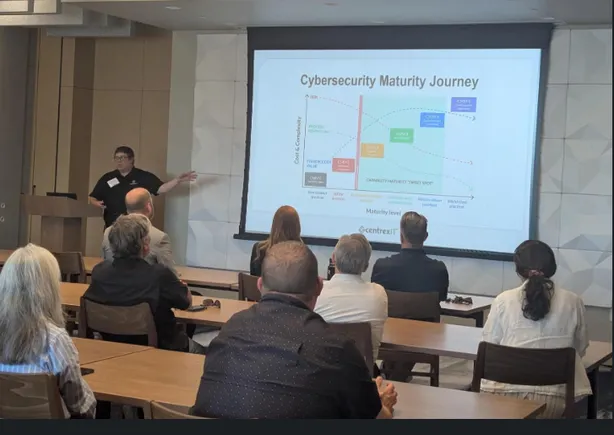
Coalition creates insurance collaboration with MSPs
Coalition executives emphasized that its security business is legally separated from its insurance business, protecting customer data through a third-party breach advisor mechanism, and using monthly contracts and tiered discounts to attract MSP partnerships. Josh Hohbein of CentrexIT transformed from a skeptic to a user, validating the effectiveness of this model.

CMMC phase 2 suspended, but certified MSPs say it was worth it
On Monday, the U.S. Department of Defense announced the suspension of the CMMC Phase 2 compliance deadline originally set for November 10, aiming to lower barriers for small innovative enterprises entering the defense industrial base. Certified IT service providers say they do not regret their investment, though some consulting projects face suspension. Industry experts note that CMMC remains a legal requirement, and the need for cybersecurity compliance has not changed.

US launches vulnerability clearinghouse amid AI-fueled surge in flaws
The Trump administration announced this week the launch of the Gold Eagle project, aimed at coordinating the application of frontier AI models in vulnerability discovery and remediation to address the surge in vulnerabilities caused by AI and pressure on the security community.