
Deep Dive
来自我们记者的行业洞察

Accenture Edge deepens SAP bench with overseas purchase
Accenture will acquire McCoy, a Dutch SAP consulting firm, marking the first acquisition for Accenture Edge, aimed at enhancing SAP expertise, expanding mid-market clients, and growing in the European market.

Outcome-based pricing links sustainable IT spending to measurable results
Over the past decade, tech giants have pledged to cut carbon emissions, while enterprises face increasingly severe climate impacts and global regulatory pressure on sustainability reporting. Abhijit Sunil, a senior analyst at Forrester, proposed in a recent blog post that adopting outcome-based pricing could link compensation for IT sustainability service providers to quantifiable results such as reducing energy costs, lowering emissions, improving infrastructure efficiency, or meeting audit compliance, thereby turning commitments into tangible outcomes. However, due to difficulties in outcome attribution, fragmented data, and missing baselines, this model has not yet been widely adopted. Sunil recommends piloting it first in projects with clear boundaries, such as cloud optimization and data center efficiency, while strengthening data foundations and independent verification mechanisms.

Exclaimer launches partner program in channel-first push
Exclaimer has launched the MSP Connect partner program aimed at strengthening its channel-first strategy. The program provides MSPs with a self-service portal, dedicated support, and non-resale licenses to help them manage email signatures for multiple clients. Currently, Exclaimer's 5,000 partners contribute about 30% of annual recurring revenue, and the company aims to increase this share to 70-80%.
Why MSPs don’t ask vendors for marketing money
The demand for market development funds (MDF) among managed service providers (MSPs) is increasing, but many small MSPs fail to fully utilize this resource due to staffing and business model constraints. This article analyzes the obstacles MSPs encounter when applying for MDF, vendor response strategies, and how to find suitable collaboration opportunities.

CrowdStrike mobilizes cybersecurity coalition to defend SMBs
CrowdStrike is expanding the reach of its Project QuiltWorks cyber defense alliance. Just four months after launching the program for large enterprises, the cybersecurity vendor aims to reach small and medium-sized businesses through distributors, managed service providers, and other channel firms. This move comes amid heightened industry interest in SMB opportunities, with CrowdStrike seeking to achieve scale through partners' expertise and customer relationships.

TPx cancels bankruptcy auction with no qualified bids
TPx, a managed service provider in Chapter 11, has canceled its planned sale auction after failing to attract any qualified bids. The company will now move forward with a lender-led recapitalization, continuing to reduce its $1.1 billion debt. Creditors have until Aug. 26 to object to the restructuring plan, with confirmation scheduled for Sept. 2.

Tech advisors grapple with AI malaise, budget puzzles
Technology advisors at the Telarus Partner Summit report a slowdown in AI adoption as token costs soar and ROI remains elusive. Budgets are constrained, with IT leaders lacking full purview. Advisors are pivoting to consulting, emphasizing interoperability, and adopting AI internally to stay relevant.

Sophisticated threat campaign pushes Cisco to the very edge
Security researchers have been tracking attack campaigns targeting Cisco SD-WAN vulnerabilities since early 2026. These attacks have impacted critical government websites and key infrastructure providers, causing anxiety among global authorities. Attackers exploited multiple vulnerabilities (such as CVE-2026-20127, CVE-2026-20182, etc.) to compromise systems, employing techniques including unauthorized peer connections and web shell deployment. Cisco products are widely deployed in government and enterprise networks, making them high-value targets. Cisco has taken response measures including introducing AI-based vulnerability scanning and adjusting disclosure policies.
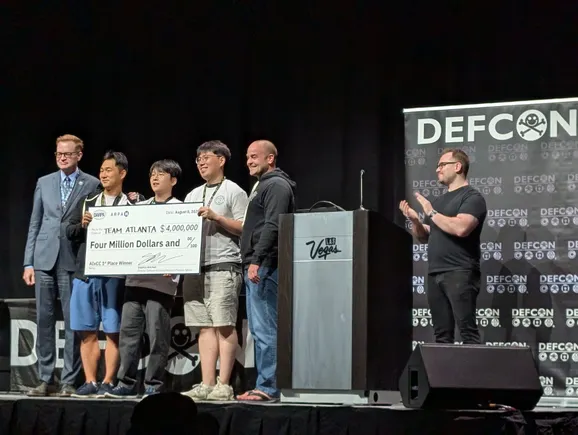
How a government contest launched a revolution in AI-based bug hunting
While closed-source AI models like Anthropic's Claude Mythos gain prominence for discovering critical vulnerabilities, open-source AI systems incubated by DARPA's AI Cyber Challenge have quietly revolutionized vulnerability hunting at a fraction of the cost. Winning teams and finalists are applying their expertise to protect open-source software underpinning the internet and are attempting to engage with critical infrastructure operators. Despite challenges such as slow industry adoption and cumbersome approvals, the efficiency gains in vulnerability discovery, validation, and automated remediation have been confirmed by multiple parties.

New cybersecurity industry coalition aims to lead US critical infrastructure protection
U.S. critical infrastructure operators, due to declining confidence in federal government support capabilities, established the Critical Infrastructure Alliance (ACI) in February, with founding members including JPMorgan Chase, Mastercard, AT&T, and Berkshire Hathaway Energy. The alliance aims to promote cross-industry cybersecurity collaboration and fill the coordination vacuum caused by government budget cuts and staff attrition. ACI Chairman Ben Flatgard stated that the private sector must take on more responsibility. Experts believe that while this move cannot replace federal leadership, it helps address visibility gaps in critical systems.