
Microsoft distributes free Copilot trials via CSP partners
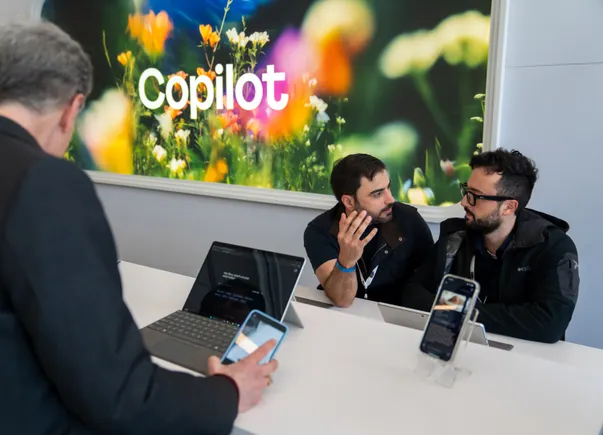
Microsoft announced that starting August 1, it will offer a free 30-day Copilot trial to customers through its cloud solution provider network, with up to 25 users per customer. The trial program was initially opened in June via direct licensing to businesses with fewer than 300 employees, and was launched earlier this month through partners in the form of "Copilot in 30." Microsoft's Chief Partner Officer Nicole Dezen stated that this move aims to help distributors and resellers serve SMB customers, with the potential to convert to paid subscriptions after the trial period ends. Additionally, Microsoft will increase channel investments, including skills training, certifications, and co-selling resources, and adjust co-op marketing fund allocation, directing 30% of joint investments toward Copilot growth areas.
At a Glance
- Microsoft will offer customers, starting August 1, through its cloud solution provider (CSP) network,a free 30-day Copilot trial, with up to 25 users per customer. The entry-level 365 SKU was initially made available in June via direct licensing to businesses with fewer than 300 employees, and earlier this month through partners as "Copilot in 30."
- "This is about providing tools for distributors and their resellers to serve SMB customers, letting them get the Copilot experience they need, and then at the end of the 30 days, that trial converts to a paid model," Nicole Dezen, Microsoft's chief partner officer and CVP of global channel partner sales, told Channel Dive.
- The SMB bundle is part of a channel-focused push that includes additional investments in skills training, certifications, and co-selling resources for members of the Microsoft AI Cloud Partner Program. "This is really about how we, through the combination of Microsoft's AI platform with the partner ecosystem, help customers securely operationalize AI in their businesses," Dezen said.
Deep Dive
Copilot is Microsoft's spearhead for driving AI adoption across its Azure cloud services and 365 office suite, an effort the company calls "frontier transformation."
Earlier this month, Microsoft committed$2.5 billion to form a new business unit, deploying 6,000 technical staff to help customers adopt AI. Microsoft Frontier Company will initially place forward-deployed engineers to work with large global system integrator partners, including Accenture, Capgemini, EY, KPMG, and PwC, the company said in a July 2 announcement, one day after its current fiscal year began.
"Our FY2027 strategy is focused on frontier transformation," Dezen said.
Microsoft is counting on Copilot adoption to unlock larger opportunities. Some partners reported that SMB customer adoption of Copilot wassluggish。
earlier this year.
"Copilot is the primary entry point for most customers into AI," Dezen said. "We view it as the user interface for AI."
Copilot is also reshaping how Microsoft allocates cooperative marketing funds to distributors and resellers. Going forward, the company will direct 30% of its joint investments toward partners focused on Copilot growth.
Beyond selling Copilot to customers, Microsoft wants partners to join its FDE (forward-deployed engineer) ranks. On Wednesday, the company launched a "Frontier Transformation Engineer" certification for AI deployment architects, and a "Frontier Partner" specialization for partners with expertise across multiple AI and security areas.
"This all builds on the same persona and skills approach used by Microsoft Frontier," Dezen said. "It's about how Microsoft scales FDE capabilities to customers in every segment, every industry, every geography globally."
Co-op assistance is crucial for helping partners generate demand, said Lisa Lawson, senior principal analyst at Omdia, a sister company of Channel Dive.
"In the modern customer journey, buyers have more control and rely more on their trusted advisors, partners, and expert networks, making partners essential in capturing customers pre-sales," Lawson said. "However, Omdia research shows that 62% of partners invest only 10% or less in demand generation. Therefore, vendors must equip their partners to invest in high-impact demand generation activities and meet customers exactly where they are in the decision-making process."
As Microsoft intensifies its AI efforts, the company is expanding its cloud marketplace, adding more than 30 regions across Europe, Australia, Japan, and South Africa. This expansion gives resellers more opportunities to build multi-party solutions with independent software vendors and brings Microsoft's marketplace on par with its competitors, Omdia chief analyst Alistair Edwards told Channel Dive.
"With Microsoft now leaning heavily on the marketplace for co-selling, channel partners will be able to leverage the power of Microsoft's sales force to drive growth," Edwards said. "Microsoft salespeople are now strongly incentivized to drive marketplace billed revenue, so expect them to prioritize selling with partners."
The marketplace initiative also signals Microsoft's willingness to expand its channel operations.